Nobody wants to lose a tooth, but sometimes extraction is the best option for your dental health. At Bloom Dental in Franklin, MI, Dr. Jomana Shayota always tries to save your natural teeth first. But understanding when a tooth extraction might be necessary can help ease your concerns.
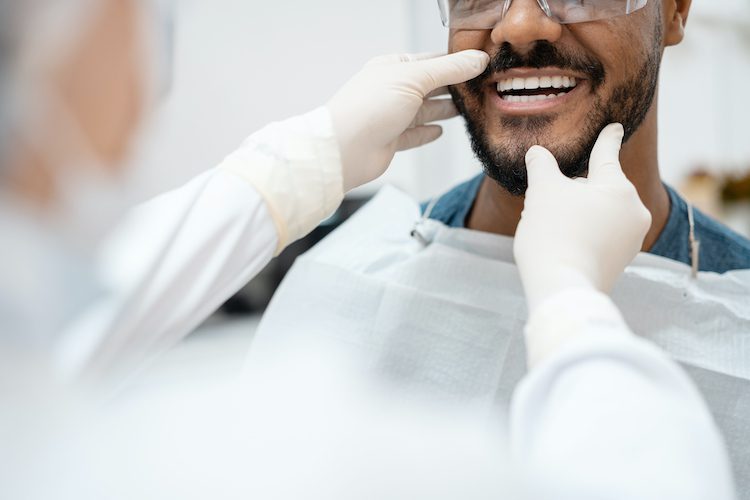
6 Signs You Need a Tooth Removed
Dr. Shayota will examine your mouth thoroughly to determine if you need a tooth removed or if she can save your tooth. She’ll do everything she can to preserve your tooth, but sometimes it’s best to remove and replace a tooth. Dr. Shayota will also gently remove the tooth for comfortable treatment.
Severe Tooth Decay
Tooth decay happens when bacteria in your mouth create acid that eats away at your tooth enamel. If you catch a cavity early, Dr. Shayota can treat it with a simple filling. But if decay goes untreated for too long, it spreads deeper into your tooth.
Once decay reaches the inner pulp where your nerves and blood vessels are located, you’ll likely experience severe pain. The infection can form an abscess, which is a pocket of pus that causes swelling and serious discomfort. At this point, a root canal might save the tooth.
But sometimes the decay is so extensive that the tooth cannot be saved. In these cases, we need to remove the tooth to stop the infection from spreading to other teeth or your jawbone.
Impacted Wisdom Teeth
Wisdom teeth are your third molars that typically come in during your late teens or early twenties. Many people don’t have enough room in their mouth for these extra teeth, which causes them to become impacted.
Impacted wisdom teeth are stuck beneath your gums or growing at an angle. This can cause significant pain, swelling, and infection. You might have trouble opening your mouth, chewing, or speaking comfortably. Impacted wisdom teeth can also damage the teeth next to them.
Dr. Shayota monitors wisdom teeth development during your regular checkups. If she sees that your wisdom teeth are likely to cause problems, she’ll recommend extraction before complications develop. Removing problematic wisdom teeth prevents pain and protects your other teeth.
Overcrowding
Some people have mouths that are too small to fit all their teeth comfortably. This overcrowding causes teeth to overlap, twist, or push against each other. Crowded teeth are harder to clean properly, which increases your risk of cavities and gum disease.
Overcrowding also affects your bite and how your smile looks. If you’re planning orthodontic treatment like Invisalign, Dr. Shayota may recommend extracting one or two teeth first. This creates space for your remaining teeth to move into their correct positions.
Strategic tooth removal for overcrowding leads to a healthier bite, straighter teeth, and a more attractive smile. It also makes it easier to brush and floss effectively.
Periodontal Disease
Gum disease, also called periodontal disease, is an infection of the gums and tissues that support your teeth. It starts with gingivitis, which causes red, swollen, bleeding gums. If left untreated, it progresses to periodontitis.
Advanced gum disease damages the bone that holds your teeth in place. As the disease progresses, your teeth can become loose and unstable. They may even fall out on their own.
Dr. Shayota offers treatments like deep cleaning (scaling and root planing) to fight gum disease and save your teeth. But if the disease has severely damaged the supporting bone and the tooth is very loose, extraction may be necessary. Removing severely affected teeth prevents the infection from spreading and helps protect your remaining teeth.
Trauma or Injury
Accidents happen. Whether from a sports injury, fall, or car accident, trauma can severely damage your teeth. A tooth might be cracked, broken, or knocked loose.
Dr. Shayota will examine the damaged tooth carefully. If the damage is above the gum line, she may be able to repair it with a crown or bonding. But she’ll need to remove the tooth if the tooth is fractured below the gum line or if the root is damaged.
Removing a severely damaged tooth prevents infection and allows the area to heal properly. After extraction, Dr. Shayota can discuss replacement options like dental implants or bridges to restore your smile and chewing function.
Tooth Infection
A tooth infection, also called an abscess, occurs when bacteria reach the inside of your tooth or the surrounding tissues. Infections cause severe pain, swelling, fever, and a bad taste in your mouth.
If caught early, Dr. Shayota may treat the infection with a root canal and antibiotics. However, if the infection has spread to the tooth’s root or surrounding bone, these treatments may not be enough.
An untreated tooth infection is dangerous. The infection can spread to other parts of your body through your bloodstream, potentially causing serious health problems. In these cases, extraction eliminates the source of infection and allows your body to heal.
After removing an infected tooth, Dr. Shayota may prescribe antibiotics to ensure the infection is completely gone. She’ll also discuss options for replacing the tooth so your smile remains complete and functional.
Tooth Extraction in Franklin, MI
We always prioritize preserving your natural teeth when possible. However, there are times when extraction is necessary. Our team provides professional and compassionate treatment. We also use the latest technology and techniques to ensure optimal outcomes. Contact us today to schedule a consultation and learn more about the tooth extraction process.